
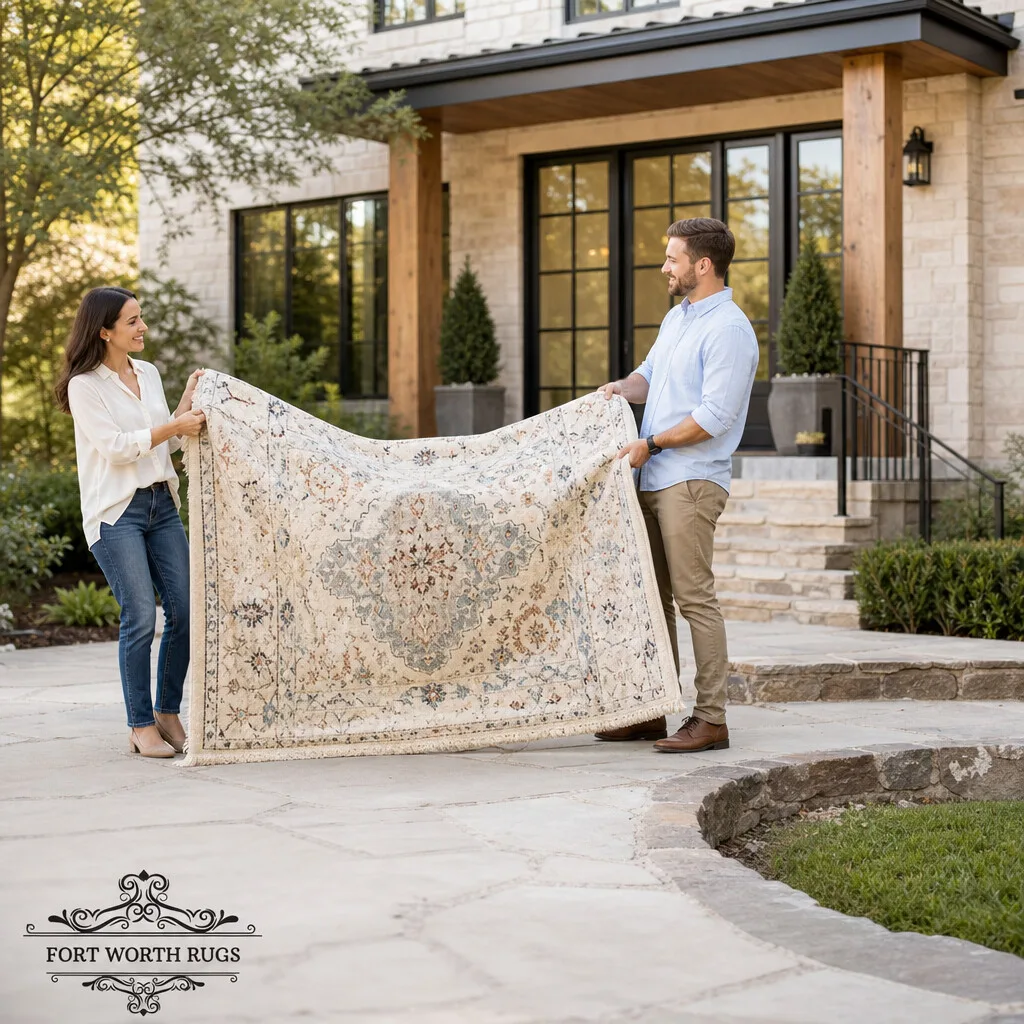
Wondering whether handmade rugs are worth the investment compared with machine made rugs when you need lasting beauty, safe rug cleaning, and expert rug repair from Fort Worth Rugs?
Handmade rugs usually last longer than machine made rugs because they are built with stronger materials, denser hand-knotting, repairable construction, and craftsmanship designed for decades of use. A quality hand-knotted wool, Persian, oriental, or antique rug can often be cleaned, repaired, and preserved over many years, while many machine made rugs wear out faster due to glued backings, synthetic fibers, and mass-produced construction. Understanding the difference can help you choose a rug that fits your home, budget, and long-term care goals.
Handmade rug construction and long-term durability
The biggest difference between handmade rugs and machine made rugs is how they are constructed. A handmade rug is often woven or knotted by skilled artisans, with each knot tied into the foundation. This creates a rug where the design, structure, and surface are part of the same piece. The pile is not simply attached to a backing; it is integrated into the rug itself.
Machine made rugs are produced quickly using automated looms. Many have synthetic foundations, latex adhesives, or glued backings that can weaken over time. Once the backing begins to crack, separate, or deteriorate, repair options may be limited. With a handmade rug, the foundation is usually more stable and better suited to professional cleaning, fringe repair, edge binding, and other forms of rug repair.
Hand-knotting also affects how a rug ages. Instead of flattening quickly in high-traffic areas, a well-made handmade wool rug can develop character with proper care. That does not mean it is indestructible, but it does mean the rug is often built in a way that supports cleaning, maintenance, and restoration.
Natural rug fibers that stand up to daily living
Many handmade rugs are made with wool, silk, cotton, or blends of natural fibers. Wool is especially valued for area rugs because it is resilient, soft, and naturally soil-resistant. It can handle foot traffic better than many synthetic materials, particularly when it is washed and maintained correctly.
By contrast, many machine made rugs are made with polypropylene, polyester, nylon, or other synthetic fibers. These rugs can be attractive and affordable, but the fibers may crush, mat, or show traffic lanes sooner. Synthetic rugs can also hold certain oils and residues that make them harder to freshen with routine home cleaning methods.
Natural fibers do require knowledgeable care. Wool rugs, silk rugs, Persian rugs, and antique rugs should not be treated like wall-to-wall carpet. Fort Worth Rugs uses careful inspection and customized cleaning recommendations based on fiber type, dye stability, age, and condition. That kind of attention helps protect the rug’s structure and appearance.
Hand-knotted rugs can be cleaned and repaired with greater success
One reason handmade rugs last longer is that they are often more repairable. If fringe becomes worn, edges start to unravel, or small holes appear, a skilled rug specialist may be able to stabilize the damage before it spreads. Hand-repair methods can preserve the rug’s original structure far better than quick surface fixes.
Professional maintenance matters. Professional rug cleaning removes dry soil, pet residue, spills, and embedded debris that can slowly cut into fibers. Dirt acts like sandpaper underfoot, especially in busy living rooms, hallways, and dining areas. Removing that soil safely can add years to the life of a handmade rug.
Machine made rugs are not always built for extensive repair. When adhesive backings fail or synthetic pile separates from the foundation, restoration choices may be limited. That does not mean every machine made rug should be discarded, but it does mean the construction usually gives handmade rugs a stronger long-term advantage.
Persian, oriental, wool, and silk rugs need specialized care
Fine oriental rugs, Persian rugs, wool rugs, and silk rugs should be evaluated before cleaning. Dyes can react differently to moisture, age can weaken foundation threads, and previous cleaning attempts may leave residues behind. A careful pre-inspection helps determine the safest approach.
At Fort Worth Rugs, rug cleaning is not a one-method-fits-all process. Some rugs need dusting before washing. Some need color testing. Others may require delicate handling due to sun fading, worn fringe, dry rot, pet accidents, or past water exposure. The goal is to clean the rug while respecting its fibers, dyes, and construction.
Silk and antique rugs deserve extra caution. Their beauty often comes from fine materials and detailed weaving, but those same qualities can make them sensitive. Using harsh chemicals, rental machines, or excessive moisture can create problems that are difficult to reverse. Professional care helps reduce risk and supports the rug’s long-term condition.
Area rug buying tips for long-lasting value
If you are choosing between a handmade and machine made rug, consider how the rug will be used. A formal sitting room, busy family room, nursery, bedroom, or dining room all have different needs. The right rug is not only about pattern and color; it is also about construction, fiber, size, and care expectations.
Before buying an area rug, think about:
- Fiber type, such as wool, silk, cotton, or synthetic material
- Construction, including hand-knotted, hand-tufted, flatweave, or machine made
- Traffic level in the room where the rug will be placed
- Pet activity, children, spills, and sunlight exposure
- Cleaning and repair options available over time
- Whether rug protection or a quality rug pad is recommended
A handmade rug may cost more upfront, but it can offer better long-term value when it is well matched to the space and properly cared for. Fort Worth Rugs helps homeowners, collectors, and design clients compare options with practical guidance, not pressure.
Protecting rug value, cleaning safety, stains, pets, and repair expectations
Customers often care most about whether a rug can survive real life. Pets have accidents. Guests spill wine or coffee. Chairs scrape edges. Sunlight fades dyes. Fringe gets caught in vacuums. These issues are common, and early attention often makes a major difference.
For stains and pet damage, quick action helps, but harsh scrubbing can distort fibers or push residue deeper into the rug. Some stains may improve significantly with professional care, while others can be stubborn depending on the substance, fiber, dye, and time involved. A rug specialist can explain realistic expectations before cleaning begins.
Repair and rug restoration timelines vary based on the rug’s size, condition, and the type of work needed. Fringe repair, side rewrapping, hole repair, reweaving, and antique rug stabilization each require different levels of craftsmanship. Choosing the right rug specialists helps protect value, avoid unnecessary damage, and keep a treasured rug in use for as long as possible.
When you need lasting rug care from Fort Worth Rugs
When you need help choosing, cleaning, repairing, or preserving a quality rug, Fort Worth Rugs offers the experience needed to care for handmade, Persian, oriental, wool, silk, antique, and custom rugs. Handmade rugs last longer when their construction is respected and their care is handled with the right methods.
Our team can inspect your rug, explain its condition, recommend safe cleaning, discuss repair options, and help you protect it from avoidable wear. Whether you are buying a new area rug or caring for a family piece, Fort Worth Rugs is here to help you make informed decisions and keep your rugs looking their best for years to come.